Radon Mitigation Systems
Sub-Slab Depressurization in Boulder, CO
The standard, proven radon fix for basements and slab-on-grade homes.
Radon Mitigation Systems
The standard, proven radon fix for basements and slab-on-grade homes.
Sub-slab depressurization, also called active soil depressurization, is the most common radon mitigation system and the first method the EPA and Colorado's health department recommend for basements and slab homes.
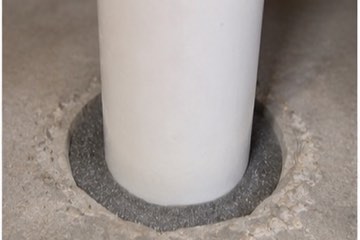
We core a small hole through the concrete floor and dig out a shallow pit beneath it. A sealed PVC pipe runs from that pit to a radon fan, which keeps the area under the slab at slightly lower pressure than the house. Soil gas follows the path of least resistance into the pipe and out above the roof. A small gauge called a manometer shows the system is working.
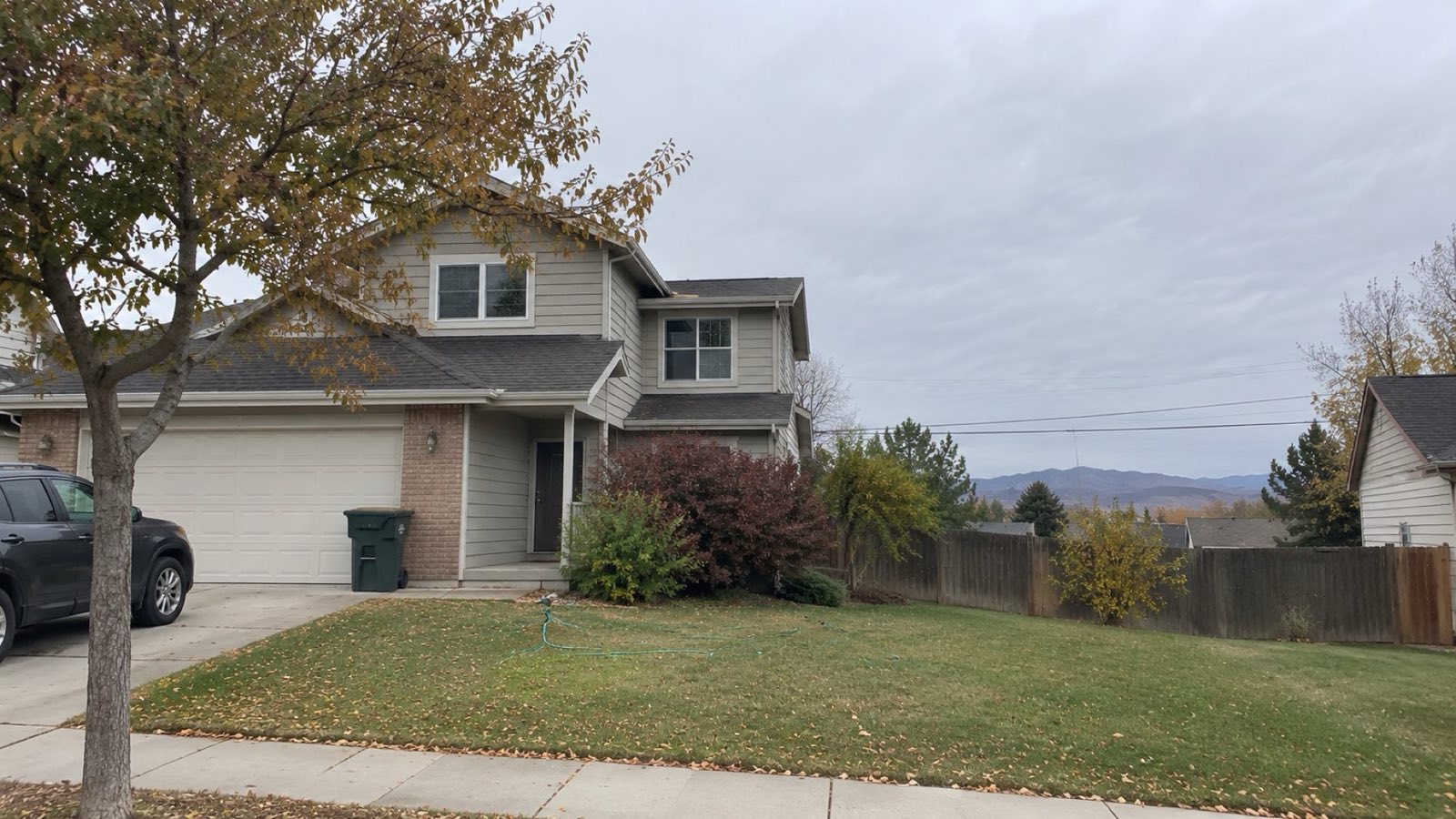
In many Boulder homes the suction point fits in a mechanical room, a closet or the garage, so finished living space stays as it is. Call (983) 200-7452 for a free estimate.
Simple parts, each with a job to do.
The opening under the floor where soil gas is collected.
A sealed, continuous-duty fan mounted outdoors or in the attic.
Carries the gas up and out above the roofline, clear of windows.
A U-tube gauge on the pipe so you can see the system is pulling.
Large cracks, floor drains and sump lids are sealed so suction holds under the slab.
| Home Type | Typical Range |
|---|---|
| Basement or slab, one suction point | $1,300 – $1,700 |
| Larger footprint or two suction points | $1,700 – $2,500 |
| Basement or slab plus a crawl space | $2,200 – $4,000 |
Typical Front Range prices. Your written estimate depends on the foundation, the pipe route and where the fan goes.
Most standard installs start and finish the same day.
A post-mitigation test records your new level.
Call (983) 200-7452 for a free sub-slab radon system estimate in Boulder.
Free — no obligations
We test how air moves under the floor to choose the best suction point.
Core the slab, run the pipe, mount the fan and seal major openings.
Check the manometer reading and fan operation before we pack up.
A post-mitigation test confirms the result.